

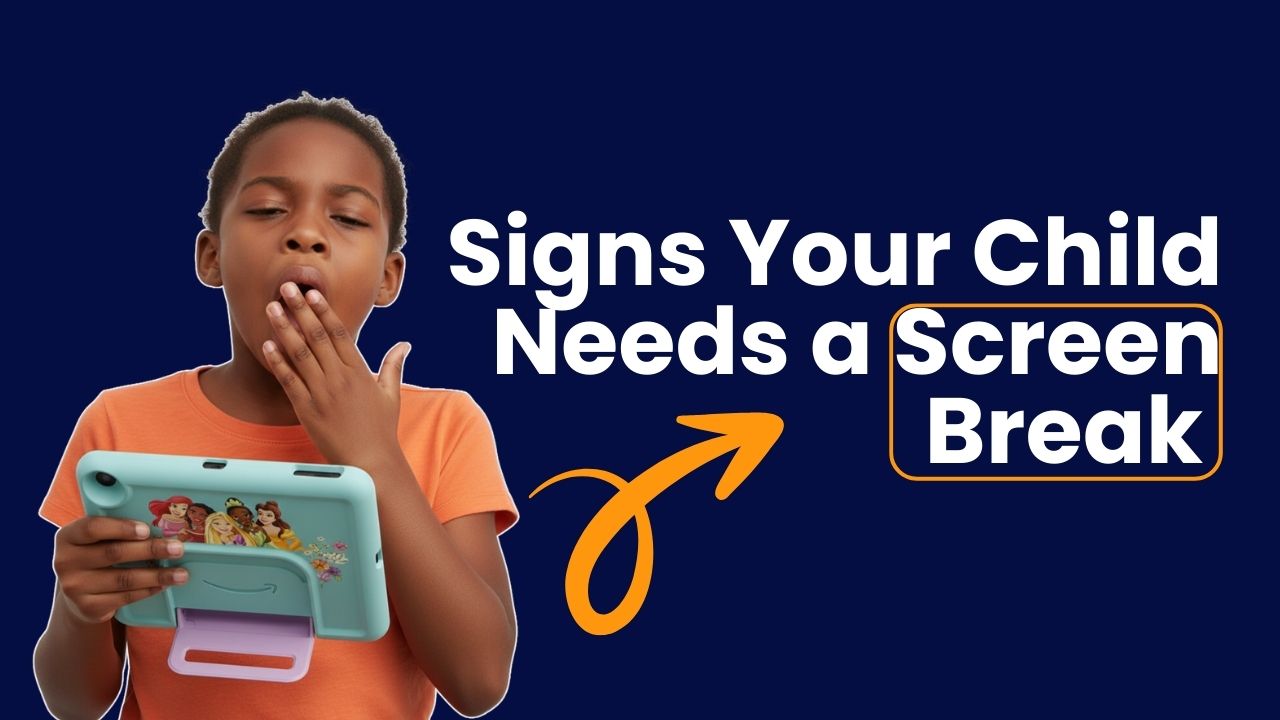
Screens aren’t the enemy.
Overuse is.
In today’s world, tablets and screens play a big role in how children learn, play, and relax. From educational apps to cartoons and games, screens can be incredibly useful when used the right way. But when screen time goes unchecked, it can start affecting a child’s mood, health, and overall development.
So how do you know when it’s time to press pause?
Here are clear signs your child may need a screen break and practical steps you can take immediately.
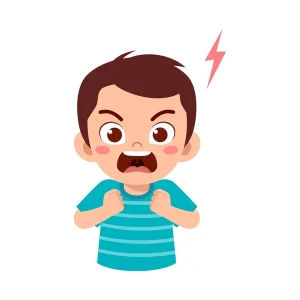
1. Your Child Gets Easily Irritated or Moody
If your child becomes unusually cranky, aggressive, or emotional especially when you take the tablet away. It could be a sign of screen overload.
Excessive screen time can overstimulate the brain, making it harder for children to regulate emotions.
What to do instead:
Encourage quiet, offline activities like drawing, coloring, puzzles, or reading short storybooks.
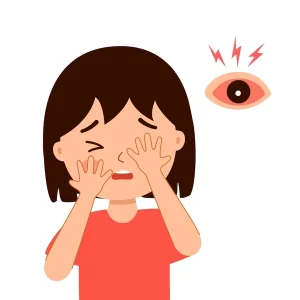
2. Complaints of Headaches or Eye Discomfort
Frequent headaches, eye rubbing, or squinting while using a tablet are common signs of screen fatigue. Staring at screens for long periods strains young eyes.
What to do instead:
Follow the 20-20-20 rule:
Every 20 minutes, your child should look at something 20 feet away for at least 20 seconds.
Also, make sure screen brightness is adjusted properly.
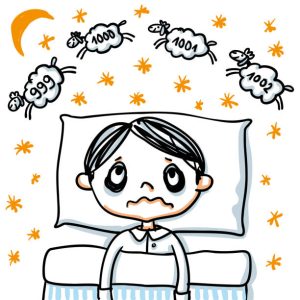
3. Trouble Sleeping or Restlessness at Night
If your child struggles to fall asleep or wakes up restless after heavy screen use, screens may be interfering with their sleep cycle. Blue light from screens can reduce melatonin, the hormone that helps us sleep.
What to do instead:
Create a no-screen rule at least 1 hour before bedtime. Replace tablet time with bedtime stories or calm conversations.
4. Less Interest in Physical Play
Children naturally love to move. When screen time replaces running, jumping, or outdoor play, it’s a red flag.
Lack of physical activity can affect both physical health and social development.
What to do instead:
Balance screen time with outdoor play, simple exercises, or indoor movement games.
5. Short Attention Span or Reduced Focus
If your child finds it hard to concentrate on homework, conversations, or simple tasks, excessive screen time could be the cause. Fast-paced apps and videos can train the brain to expect constant stimulation.
What to do instead:
Introduce structured screen schedules and encourage activities that require focus, like building blocks, board games, or supervised educational apps.
Healthy Screen Time Is About Balance, Not Banning
The goal isn’t to remove screens completely but it’s to use them intentionally.
When used properly, tablets can:
-
Support learning
-
Improve digital literacy
-
Encourage creativity
-
Help children explore the world safely
At TabletHive, we believe in helping parents make smarter tech choices for their children not fear-based ones.
Simple Screen Time Tips for Parents
-
Set daily screen time limits
-
Choose age-appropriate content
-
Encourage breaks and movement
-
Be a screen-use role model
-
Talk to your child about healthy habits
Finally,
Screens aren’t bad.
Ignoring balance is.
When you notice the signs early and guide your child with care, screens can remain a powerful tool not a problem.
Looking for child-friendly tablets, parental guidance tips, or educational resources?
TabletHive is here to help parents make confident, informed decisions.
